
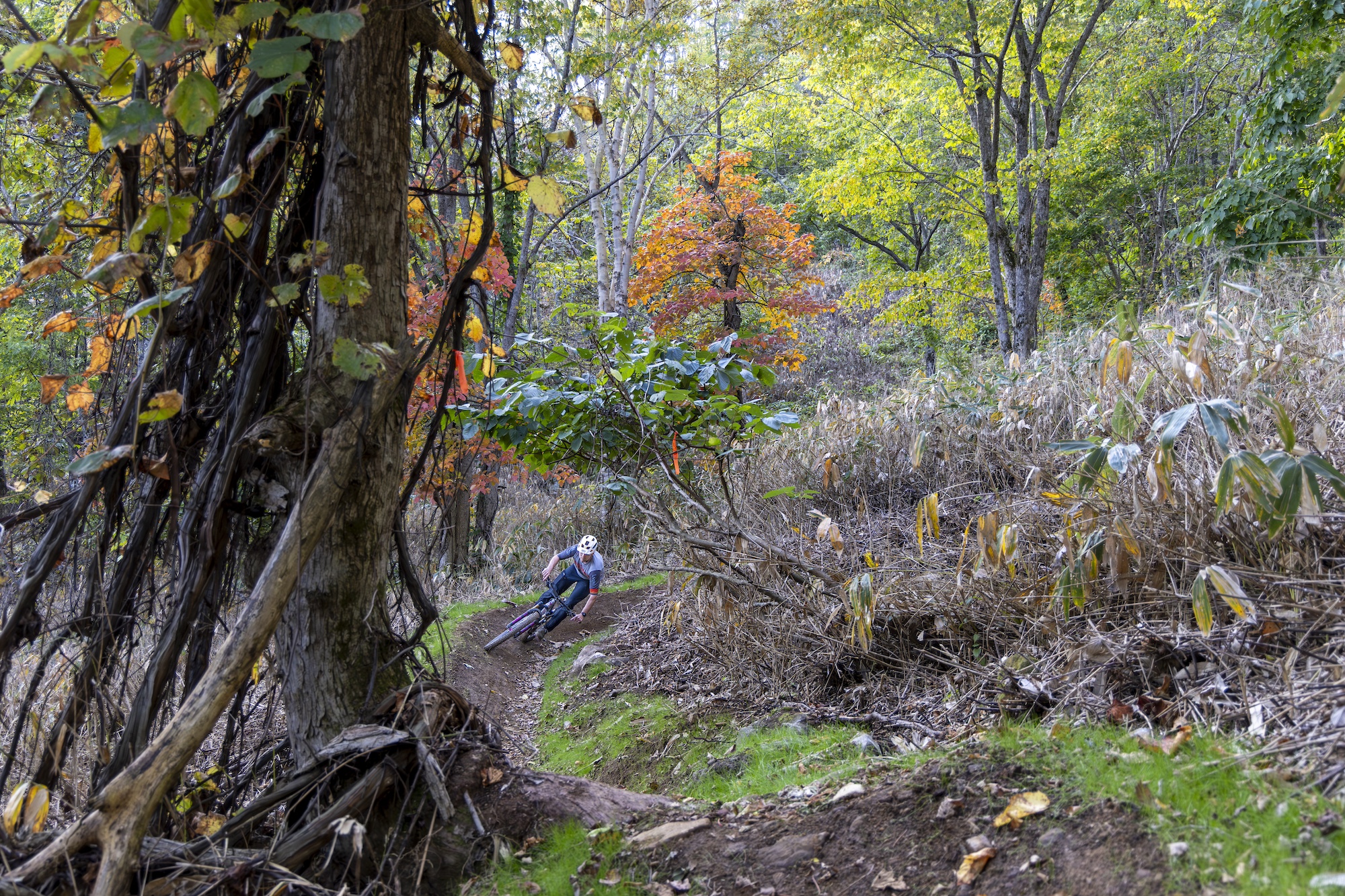

Wet trails are closed trails.
When the soil at Twin Peaks is saturated, riding tears it up: ruts and erosion that take volunteer hours and trail-builder budget to fix. That's why NAMBA closes the network when conditions are bad, and why we ask riders to use their own judgement when conditions are borderline.
How to check before you ride
Trail status is published live on Trailforks for every trail at Twin Peaks. The map and table on the main Twin Peaks page show the current status. Status icons:
- 🟢 All clear
- 🟡 Minor issue
- 🟠 Significant issue
- 🔴 Closed
Our volunteer trail reporters update statuses as conditions change, but they aren't always able to keep up with the weather. If a status looks stale and you're not sure, message @nisekomtb on Instagram or check social posts before heading out.
How to ride when you're already on trail
If you find mud, leave ruts, or get muddy, turn around. Don't ride around puddles; that widens the trail and kills trailside vegetation. Don't skid through soft sections. If you hit a closure in the network, respect it.
And if you're the first one out after rain and spot conditions that aren't reflected on Trailforks, please submit a quick condition report. It helps the next rider make the same call.
Why this matters
Twin Peaks is volunteer-built and donation-funded. Every metre of trail you ride was paid for by a sponsor and shaped by a builder; every metre of repair work comes out of next season's build budget. Riding wet doesn't just damage today's trail, it slows tomorrow's expansion.


